<!———
Work info
———>
My Roles:
Brand Designer: Rebuilt the visual identity, logo, type, color, and assets across product and marketing.
Brand Strategist: Ran internal perception workshops and competitive analysis to ground the rebrand.
<!———
Context
———>
Context
NeuralSpace is an AI-powered platform focused on multilingual NLP solutions for enterprises and developers building voice and language-based products.
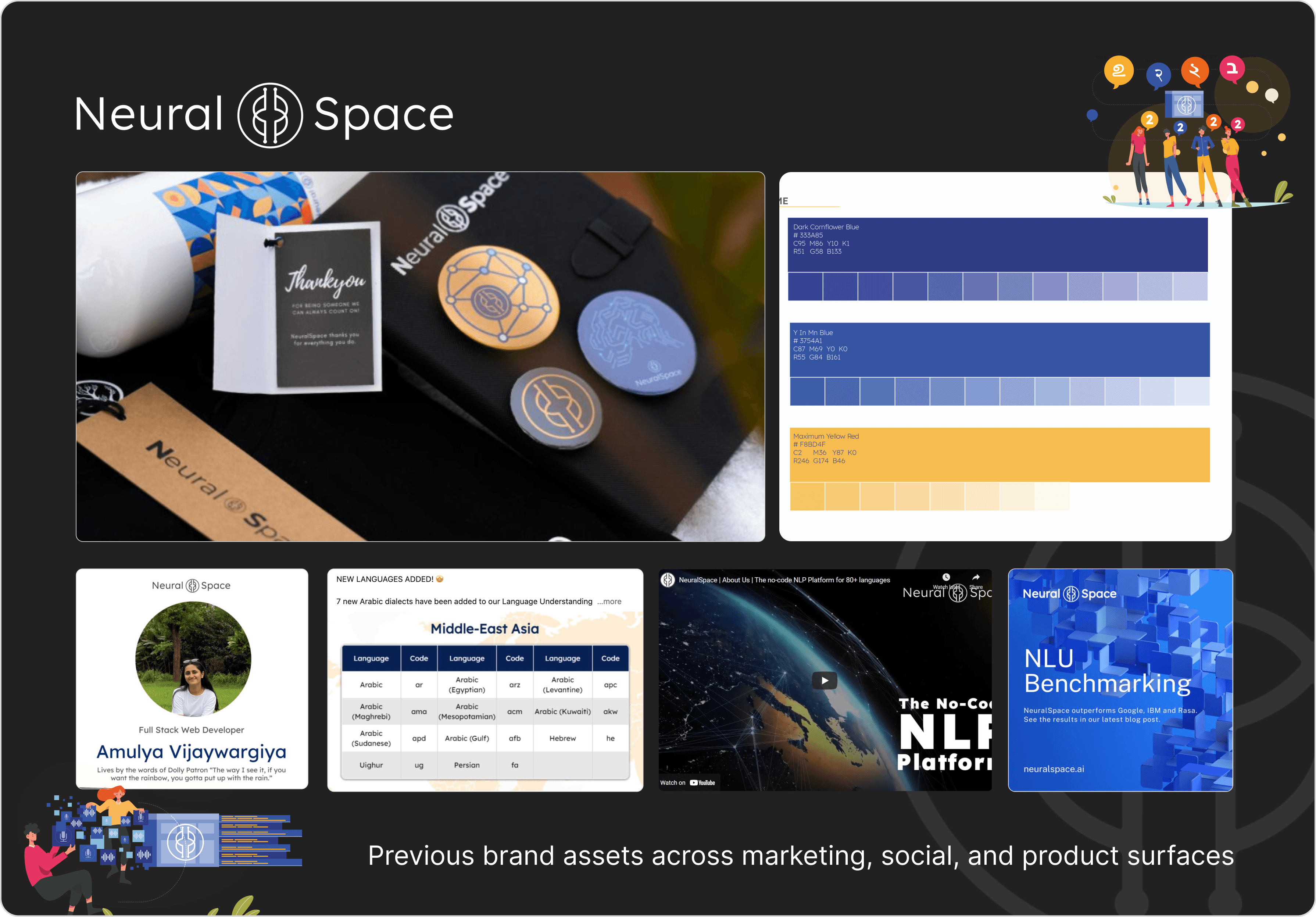
Although the technology was strong, the brand did not reflect the human impact of the product. NeuralSpace helps people communicate across languages, yet the identity felt technical and emotionally distant.
As the company scaled across regions and touchpoints, the need for a clearer, more human brand became apparent. The goal was to evolve the identity so it could resonate with global audiences while remaining credible for technical users.
Outcomes
53%
increase in brand recognition
80%
of surveyed users found the new branding more engaging
Scalable
brand system supporting future products and markets
<!———
Problem
———>
The Problem
The challenge was not to simply update visuals, but to address how the brand was being perceived.
Key issues included:
A cold, technical tone that limited emotional connection
Inconsistent identity across product, marketing, and social channels
Limited cultural nuance for a multilingual, global audience
The core question became:
How might NeuralSpace express warmth and inclusivity while maintaining trust as a serious AI platform?
Solving this required a brand system that could balance human expression with technical clarity and scale consistently across real-world surfaces.
<!———
Discovery
———>
Discovery
Instead of starting with a formal brand audit, we focused on understanding how NeuralSpace was perceived internally across the company.
Because the team was small, we had the opportunity to involve people beyond leadership and capture a more honest, cross-functional view of the brand.
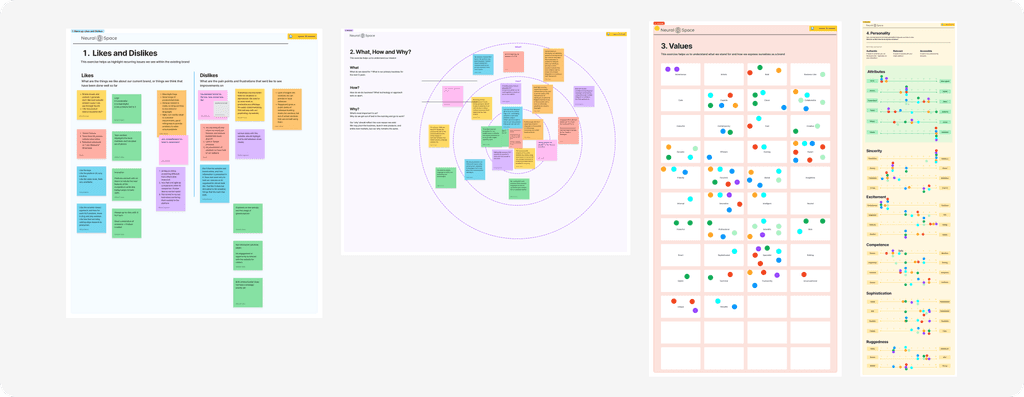
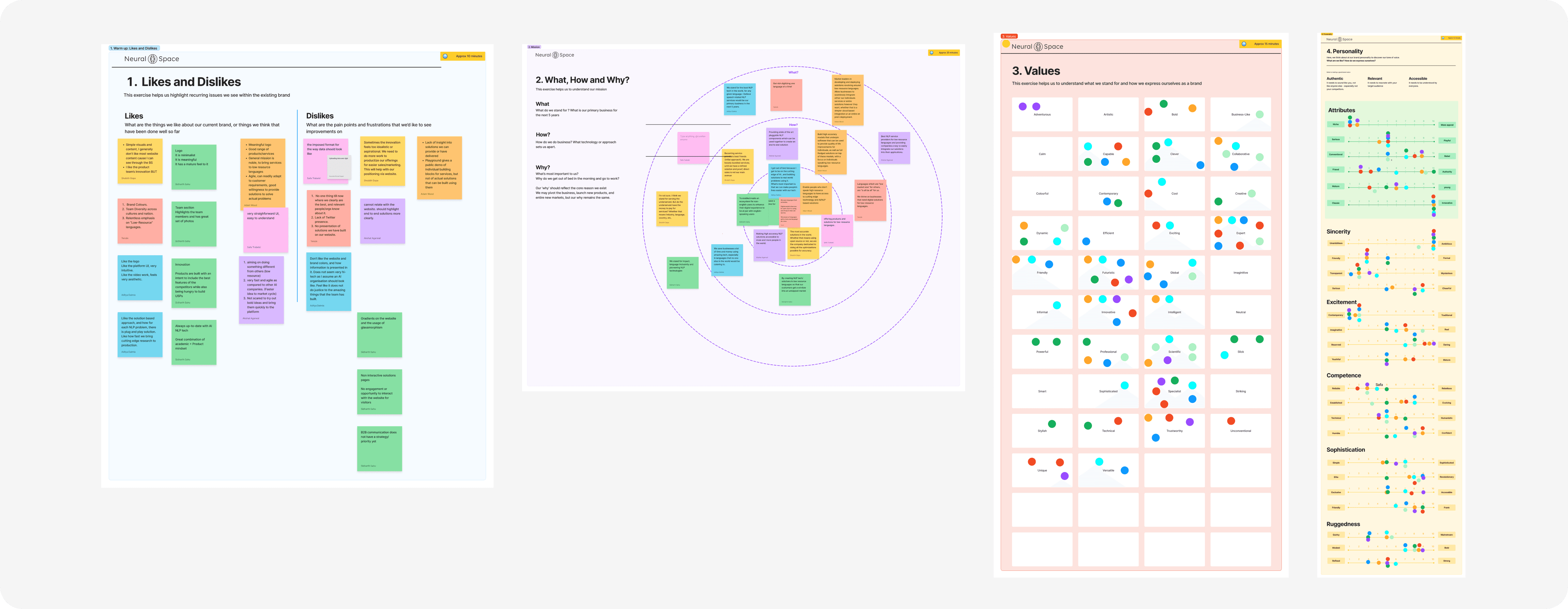
Internal Perception Workshops
We spoke with leadership and teams across product, engineering, sales, and marketing to understand how they described NeuralSpace in their own words.
These sessions focused on:
What NeuralSpace stood for from their perspective
Pain points in the current brand
Values they personally associated with the company
Rather than asking how to improve the brand, we focused on listening to how it was already experienced.
This surfaced consistent gaps between the company’s mission and how the brand came across.
Competitive and Market Context
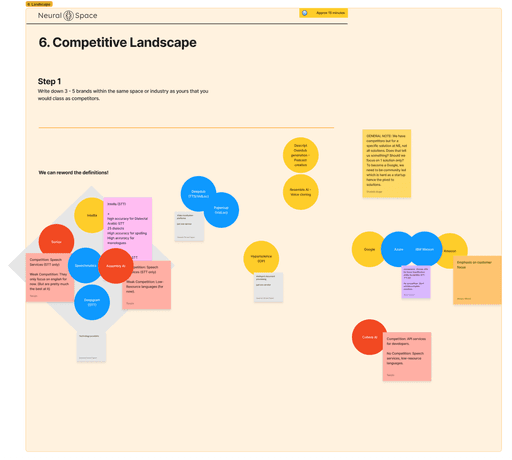
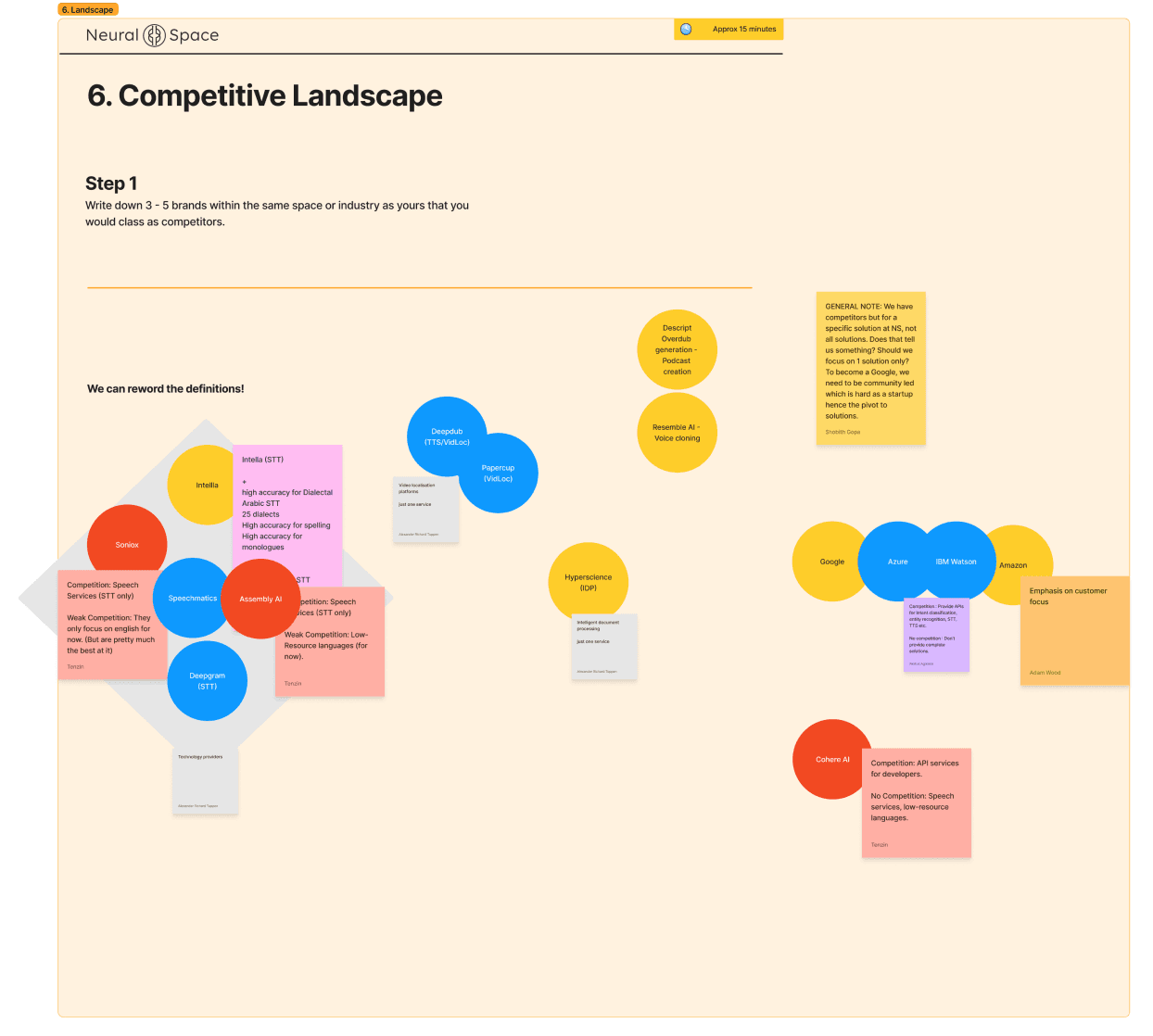
We discussed competitors with stakeholders to understand:
Who NeuralSpace was being compared against
What aspects of competitor branding felt effective
Where NeuralSpace had room to differentiate
This helped frame how human and inclusive the brand could be while still feeling credible in a technical space.
Future Vision Alignment
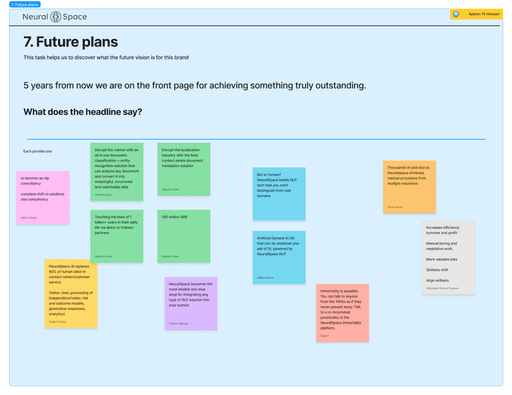
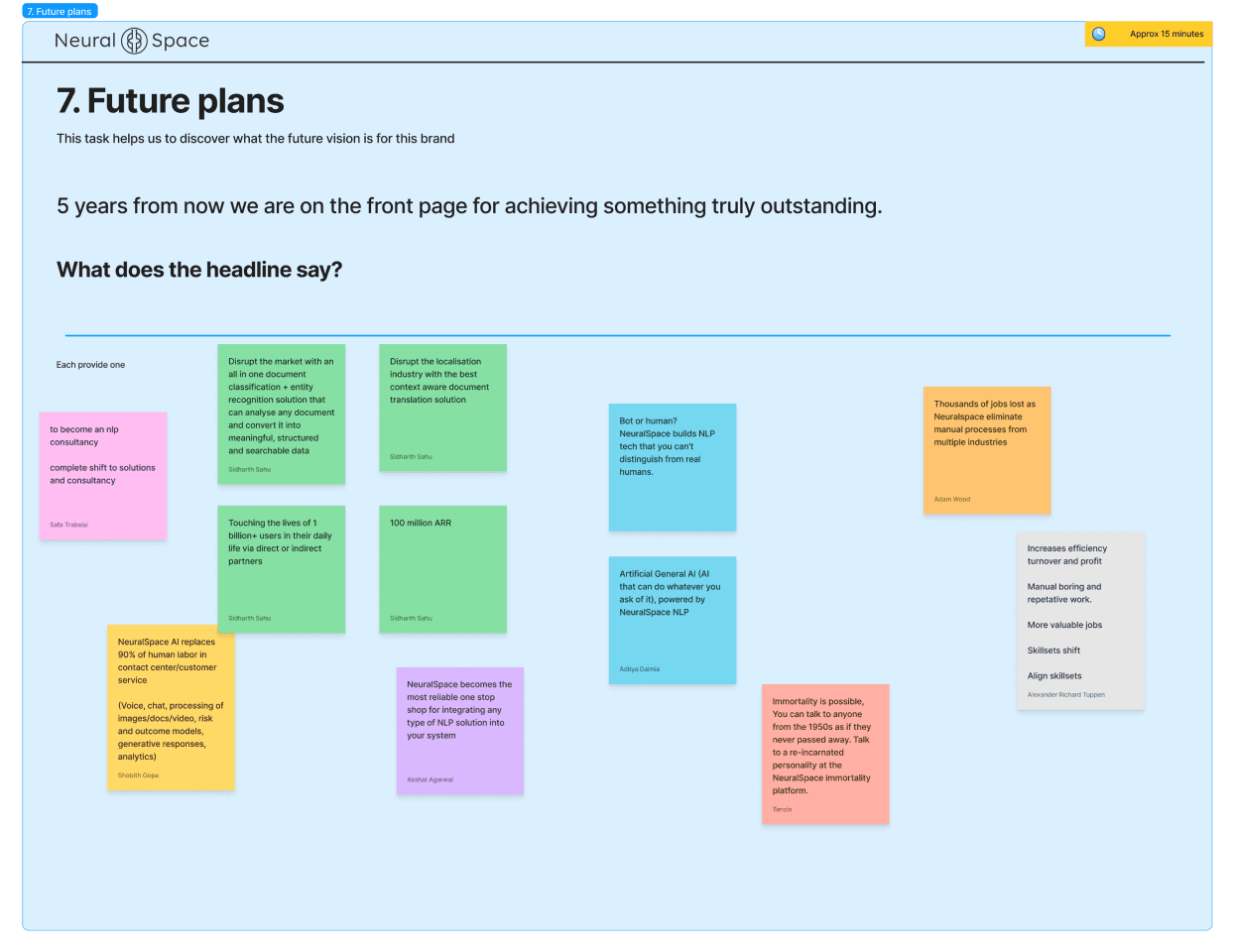
To ensure the rebrand was forward-looking, we facilitated future vision exercises across teams.
Stakeholders imagined what NeuralSpace might be recognized for in the future and what those headlines would say.
This helped align the brand with long-term aspirations around impact, scale, and human connection.
Outcome of Discovery
Across conversations and workshops, one theme consistently emerged.
NeuralSpace needed to move beyond being perceived as just an AI platform and instead reflect its role in enabling human communication across languages and cultures.
These insights shaped a set of focused brand decisions aimed at making NeuralSpace feel more human, inclusive, and globally coherent.
<!———
Key Brand Decisions
———>
Key Brand Decisions
Insights from discovery shaped how the brand needed to look, feel, and scale.
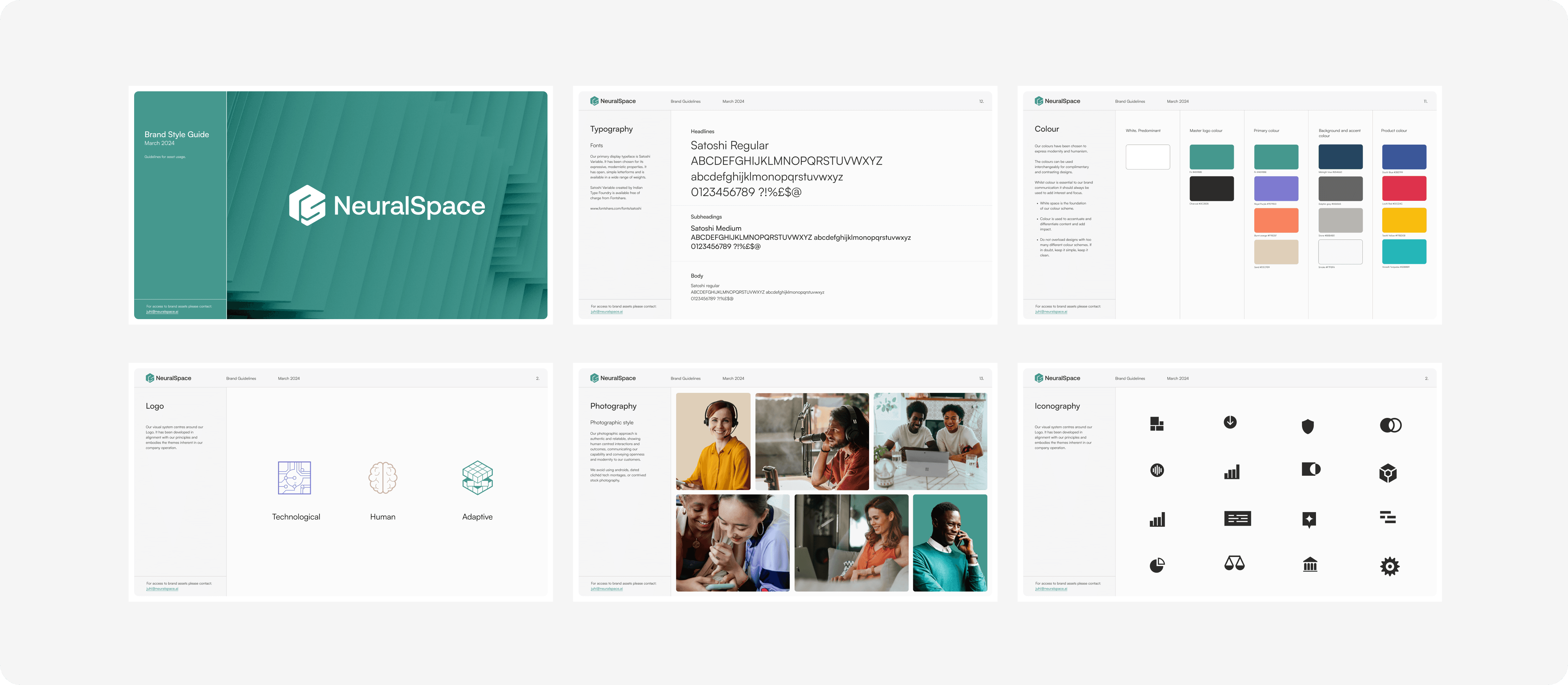
The visual identity was designed to reflect NeuralSpace’s role in enabling human communication across languages, while remaining clear and credible in technical contexts.
The focus was on building a cohesive system that could work across product, marketing, and future touchpoints.
What Changed
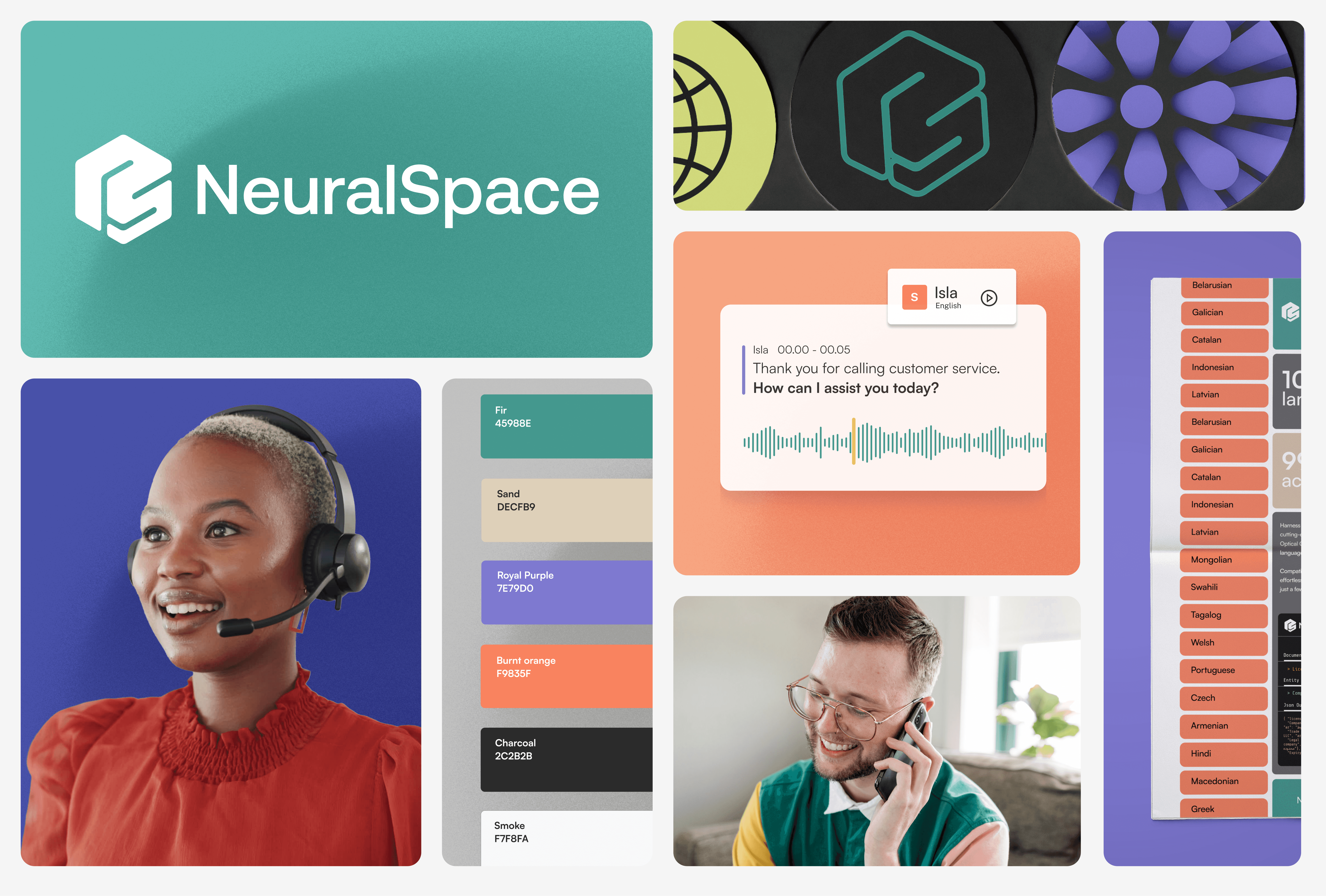
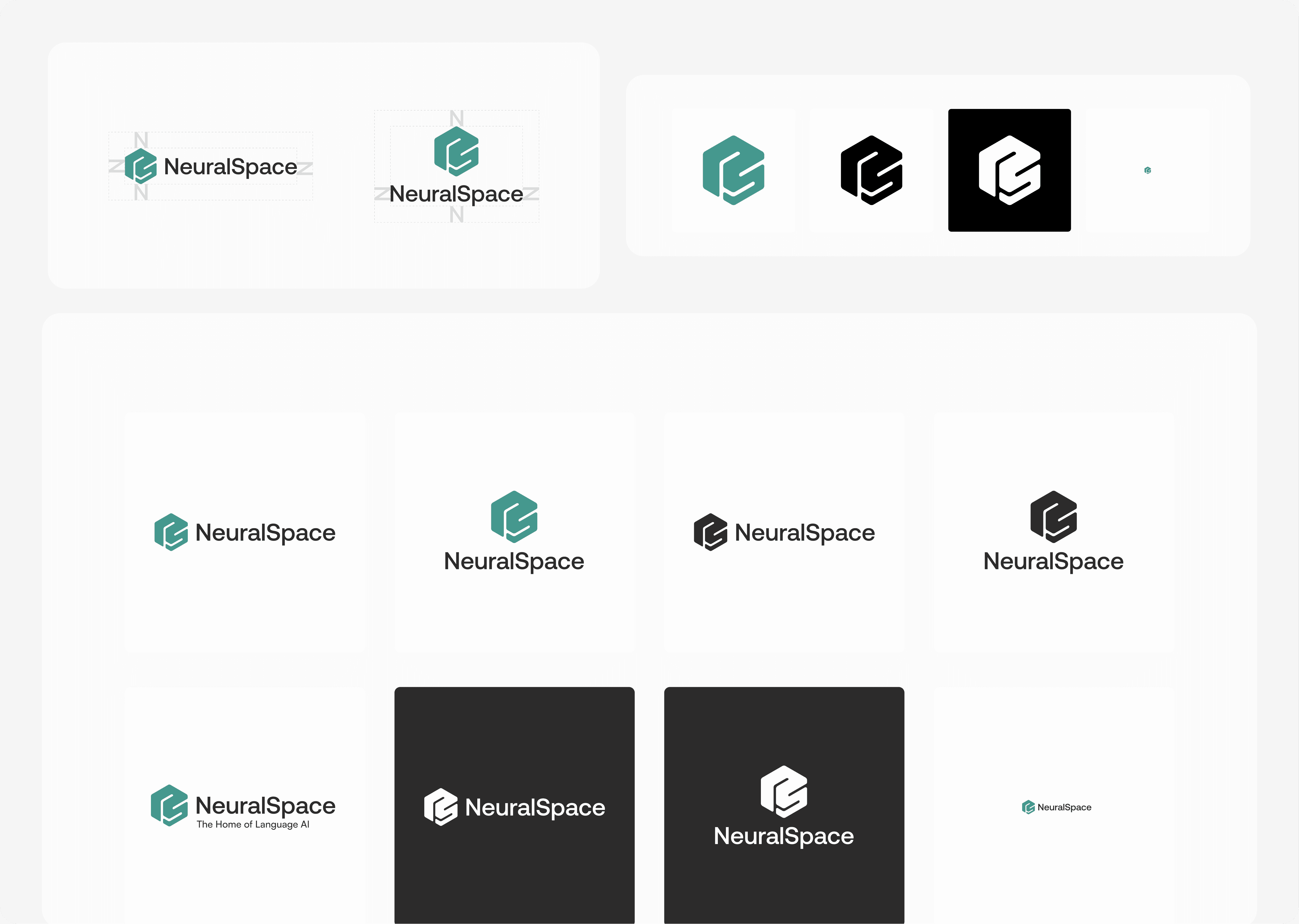
Logo
Simplified and refined to feel more human and adaptable across contexts.
Typography and Color
Introduced a warmer, more restrained palette and type system to balance trust and approachability.
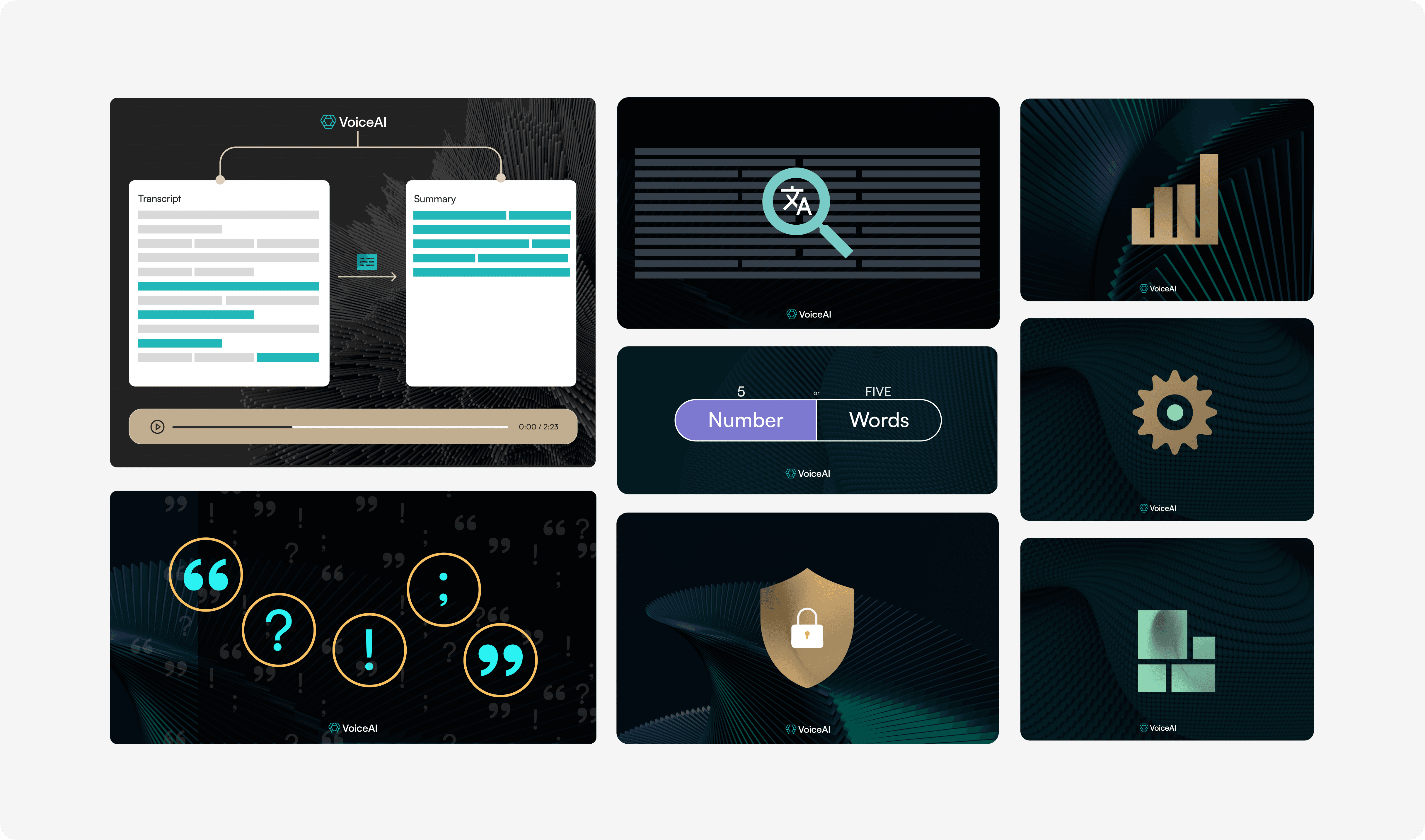
Illustrations and Icons
Shifted toward inclusive, globally neutral visuals that avoid culture-specific symbolism.
UI and Marketing Assets
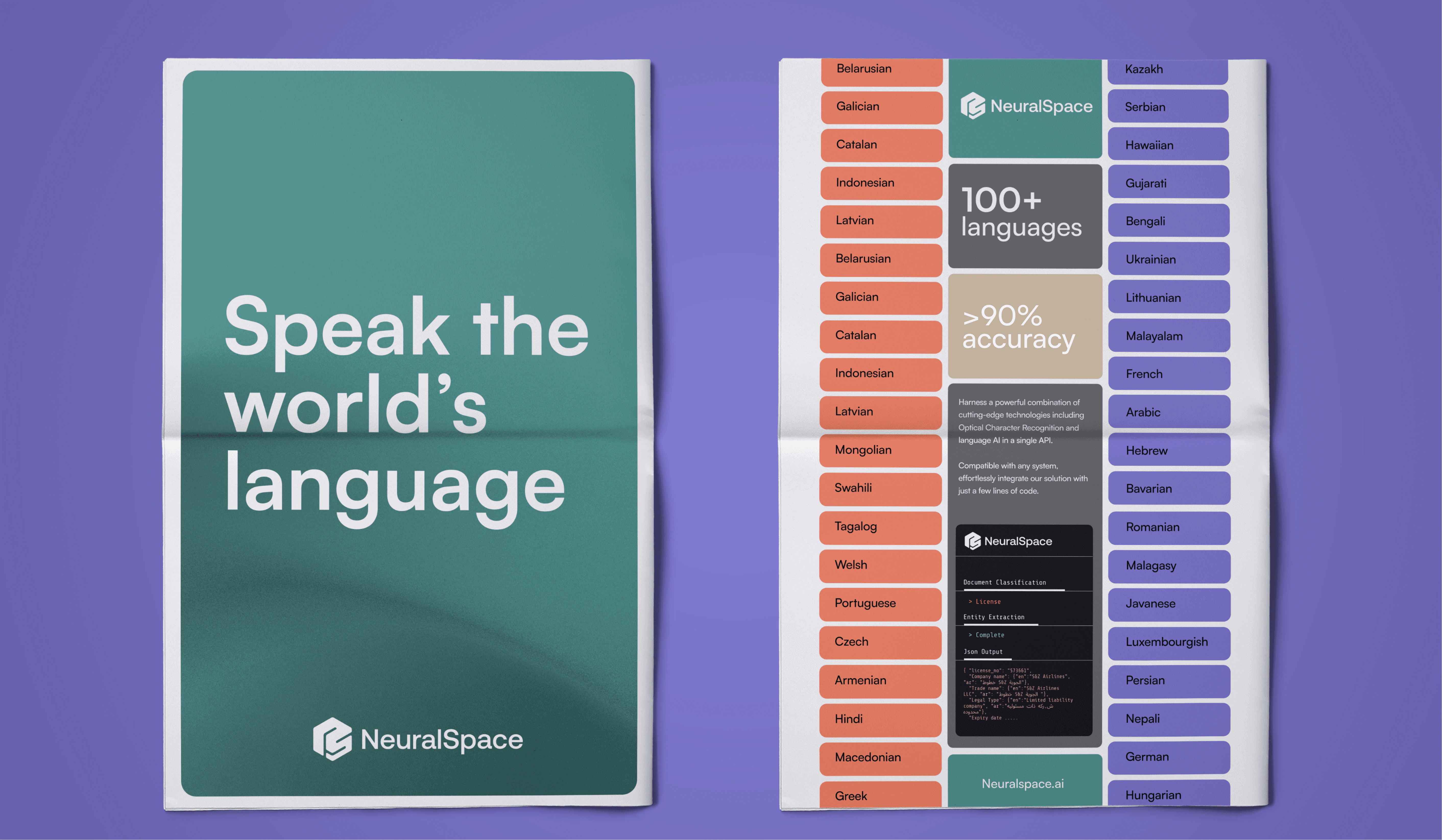
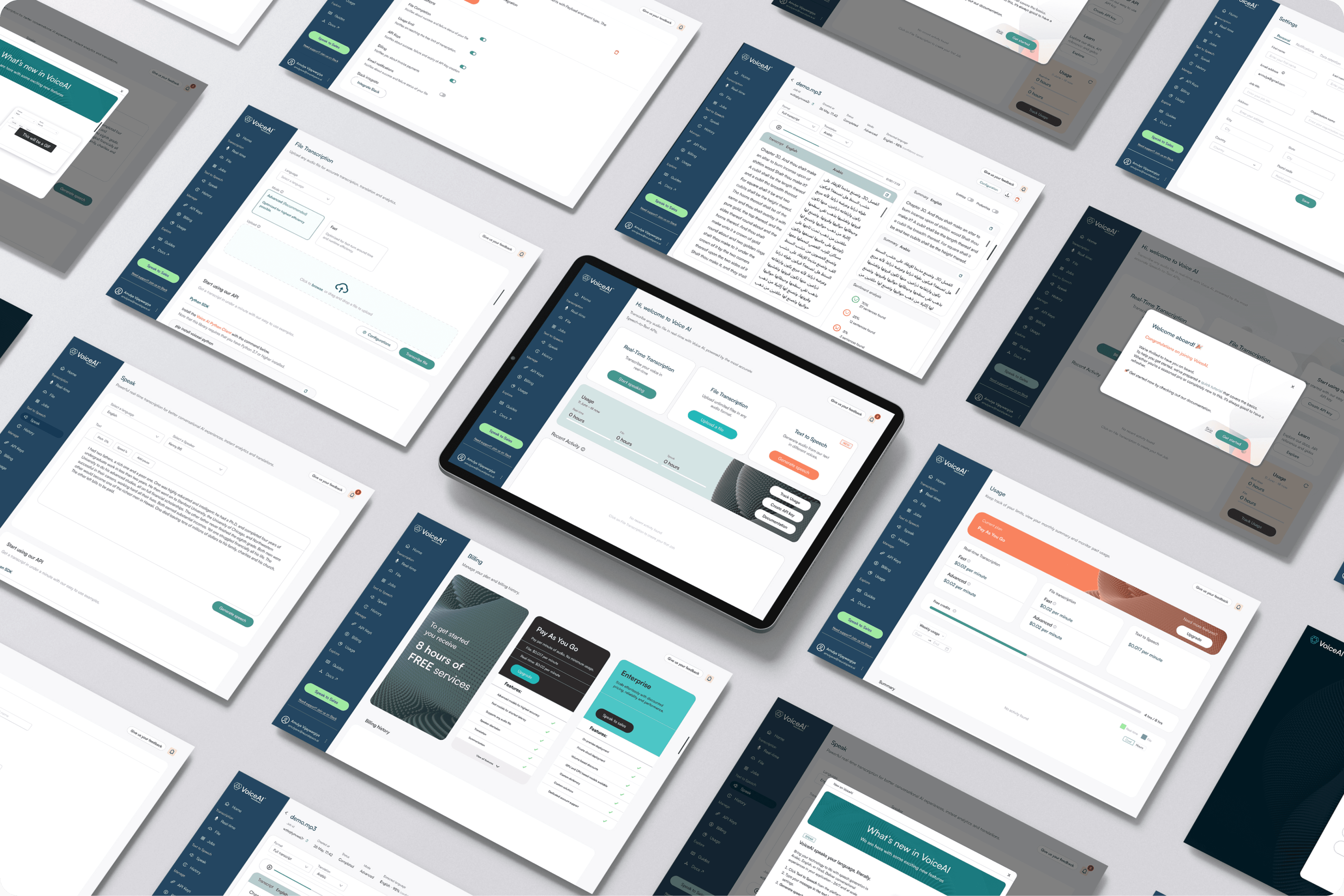
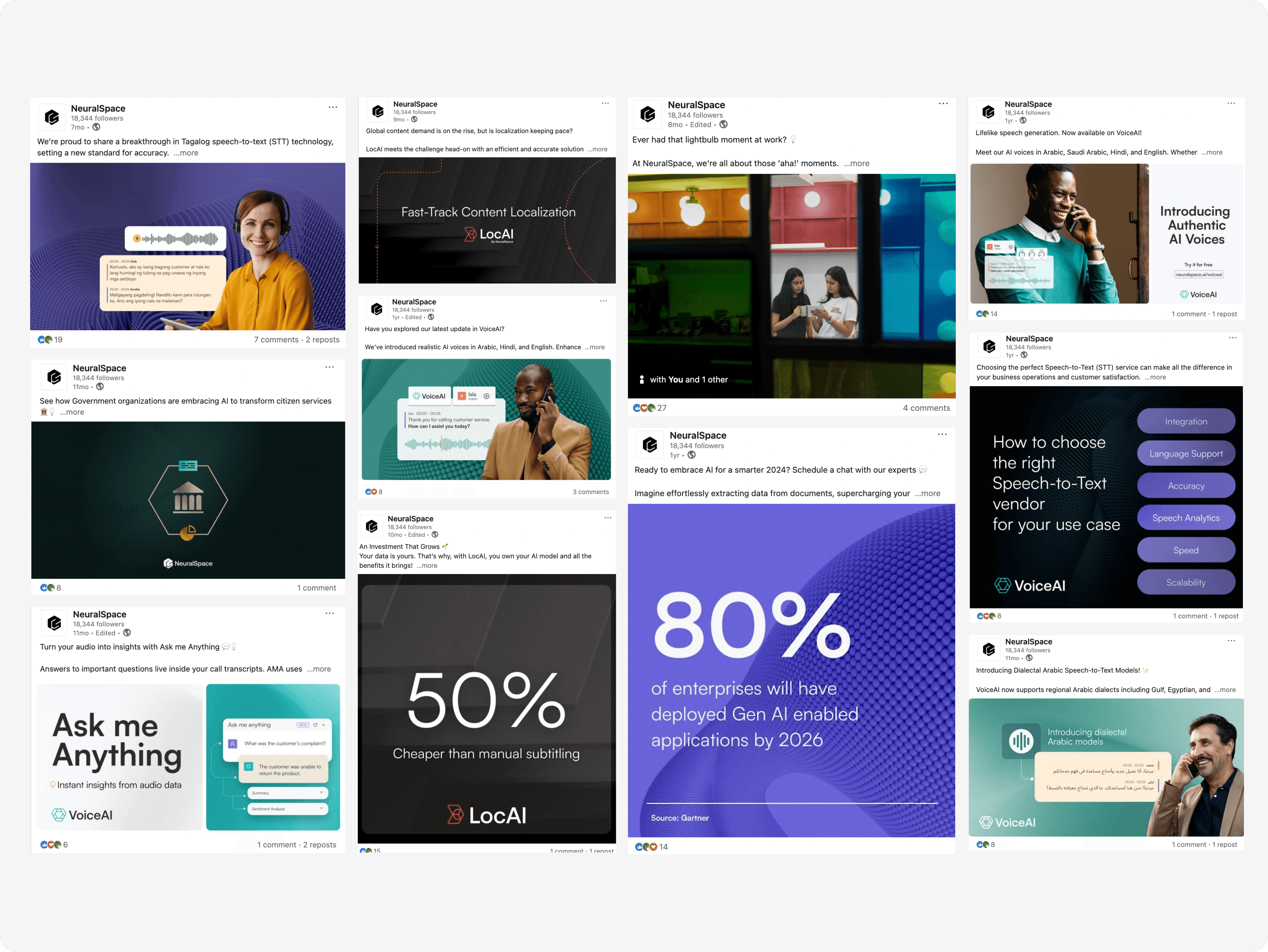
Unified visual language across product, website, and marketing surfaces for consistency.

Implementation
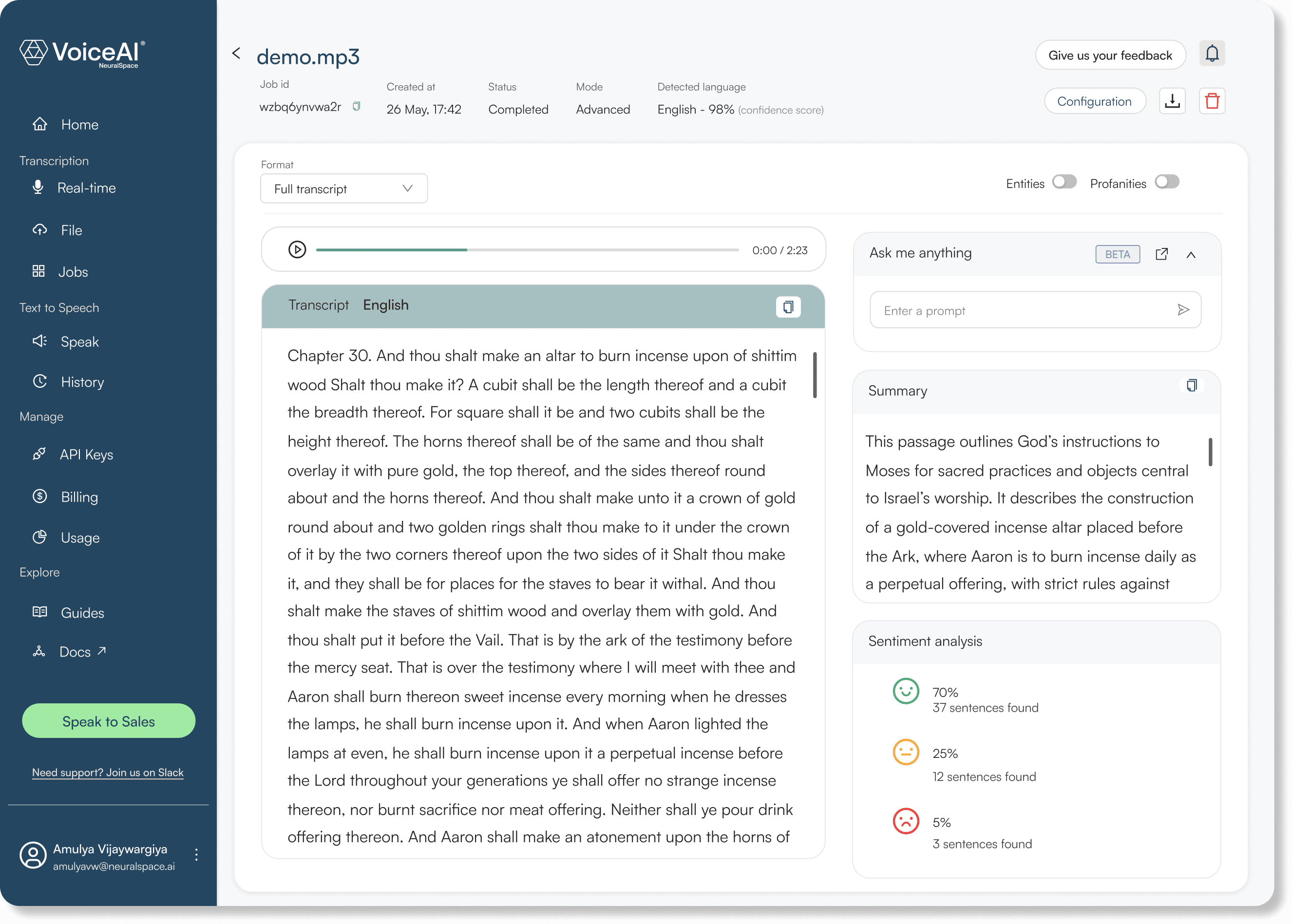
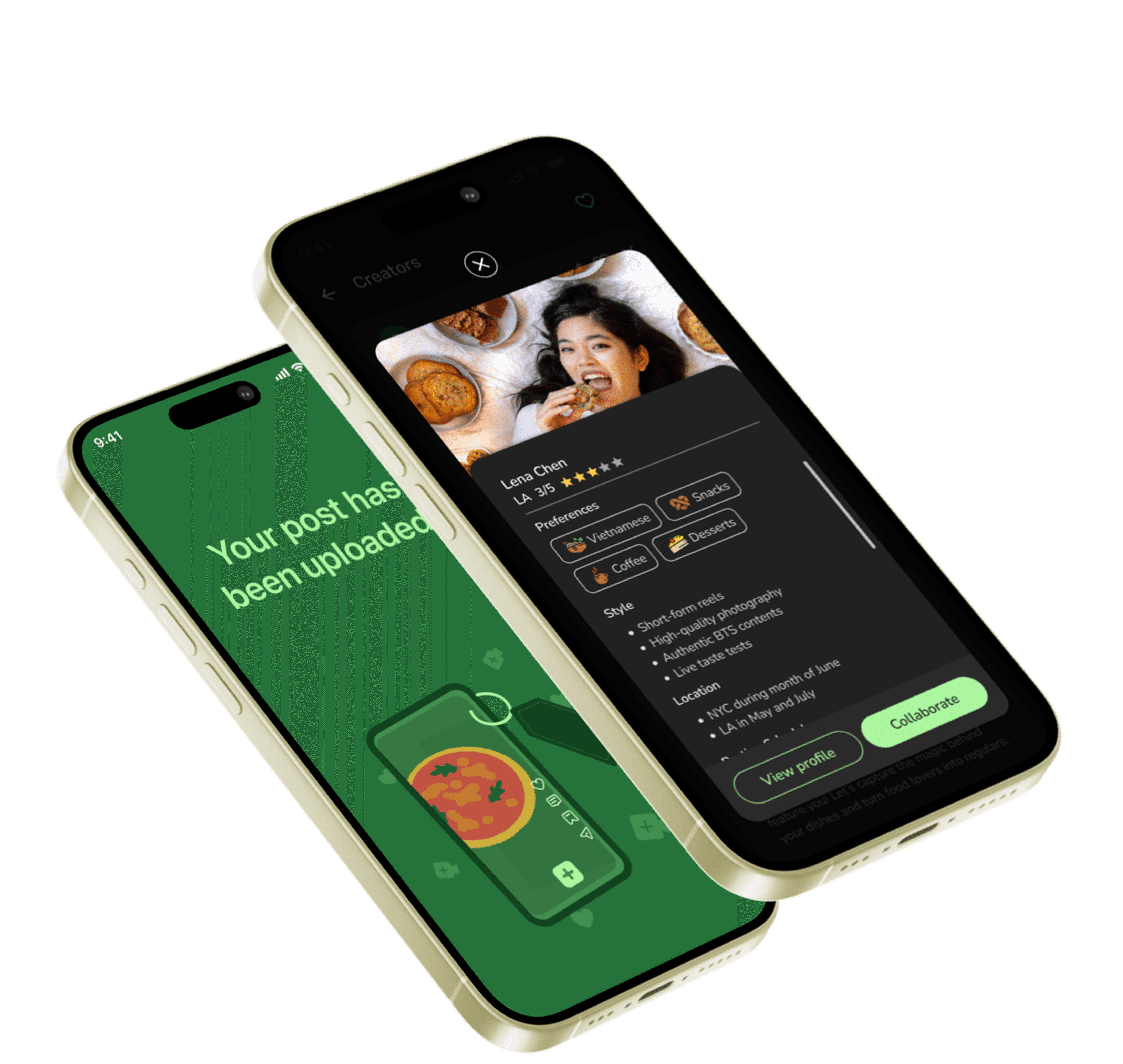
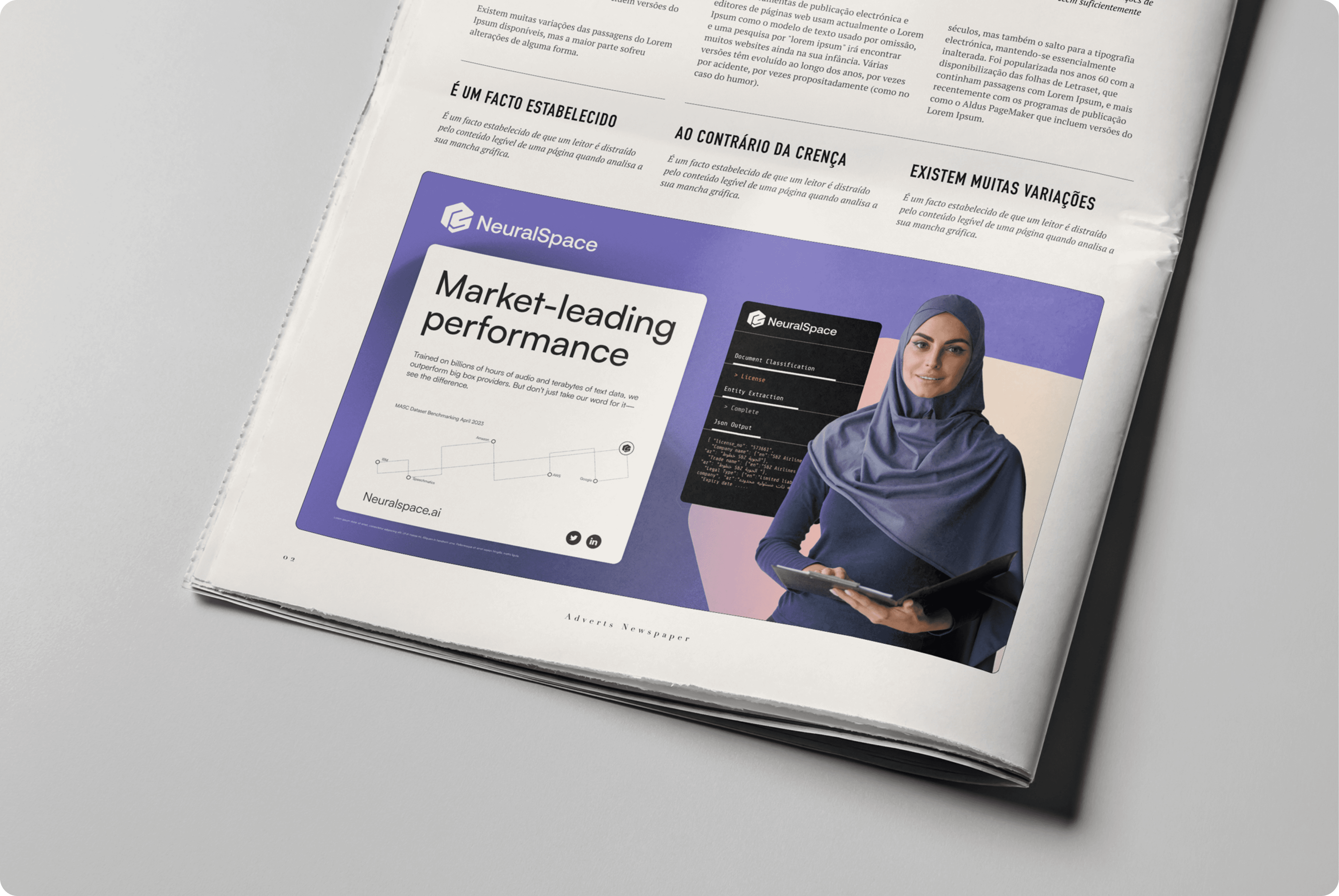
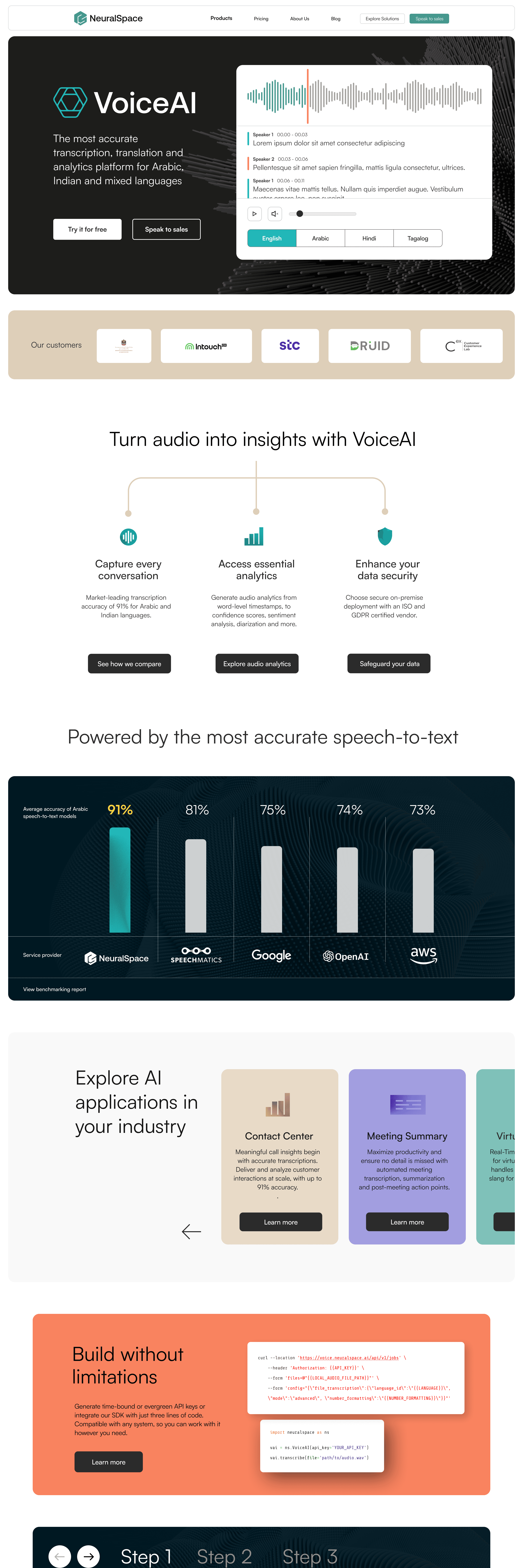
The brand was rolled out across website, product, marketing, and social surfaces to ensure consistency in real-world use.
<!———
Learnings
———>
Key Takeaways
This project reinforced that branding works best when treated as a system, not a surface-level visual refresh.
Involving voices across the company helped ground the rebrand in real perceptions rather than assumptions. It also strengthened how I think about designing for scale, consistency, and long-term clarity, even outside traditional product UX work.
“This finally looks like us and sounds like us.”
~ NeuralSpace team member